



Do You Really Need Winter Tires?
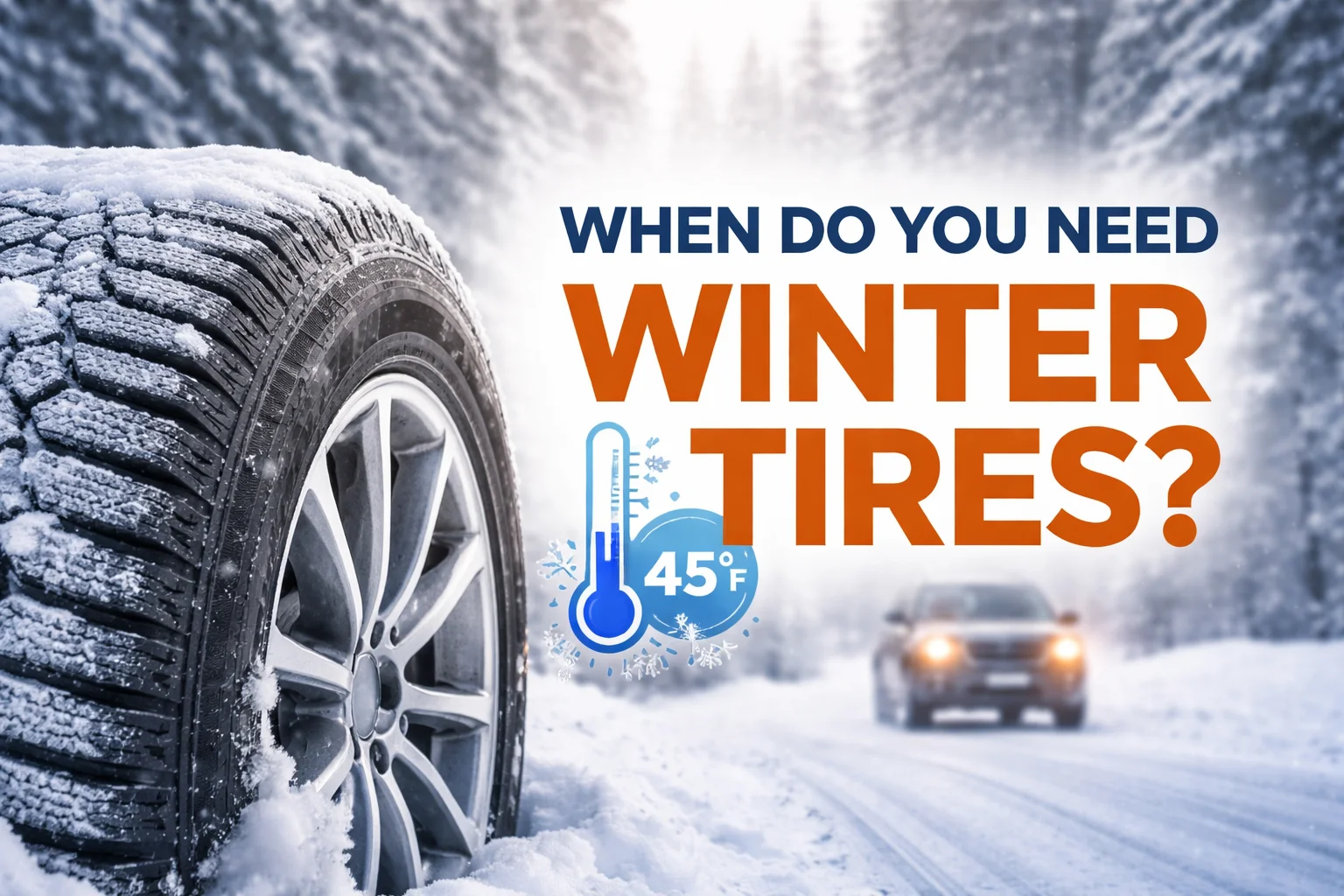
You need winter tires when average daily temperatures consistently stay below 45°F (7°C) even without snow. In cold conditions they improve traction, braking distance, and overall safety compared to all-season tires.

Simple Decision Rule

- Below 45°F for months → YES (recommended)
- Occasional cold → MAYBE (depends on driving)
- Mostly warm climate → NO (not necessary)
Winter tire decisions should be based on temperature, not snowfall.
Why Temperature Matters More Than Snow
Most drivers wait for snow before switching tires. The real factor is temperature.
When temperatures drop:
- Rubber stiffens
- Grip decreases
- Braking distance increases
This happens even on dry roads.
Winter tires are designed to stay flexible in cold conditions, allowing them to maintain better contact with the road surface.
The 45°F Rule Explained
The 45°F rule reflects how tire compounds behave:
- Above 45°F: All-season tires perform normally
- Below 45°F: Rubber begins to harden
- Sustained cold: Winter tires provide better grip and control
Cold pavement alone can reduce traction significantly even without snow or ice.
Where Winter Tires Are Needed in the USA
Northern States (Strongly Recommended)
Examples: Minnesota, Michigan, Wisconsin, Colorado, New York
- Long periods below 45°F
- Frequent snow and ice
these tires provide clear safety benefits
Midwest & Transitional Regions (Situational)
Examples: Missouri, Pennsylvania, Virginia
- Mixed conditions
- Cold mornings and occasional snow
they are helpful for regular drivers
Southern States (Usually Not Needed)
Examples: Texas, Florida, Southern California
- Rare freezing temperatures
- Minimal snow
these tires are generally unnecessary
Real-World Driving Scenarios
Daily Commuter
Cold mornings reduce braking performance, especially in stop-and-go traffic.
these tires improve safety in colder regions
Highway Driver
Higher speeds increase stopping distance on cold pavement.
They provide better control
Mountain or Rural Driving
Ice forms easily and roads may be untreated.
these tires are strongly recommended
Occasional Driver
Limited exposure to winter conditions.
May not switch to winter tires in moderate climates
Winter Tires vs All-Weather Tires
| Feature | Winter Tires | All-Weather Tires |
|---|---|---|
| Best Temperature | Below 45°F | Year-round |
| Snow & Ice Grip | Excellent | Good |
| Convenience | Seasonal change | No change needed |
| Summer Performance | Poor | Good |
| Best Use | Harsh winters | Mild winters |
Do You Need Winter Tires If You Have AWD?
Yes.
All-wheel drive improves acceleration, but does not improve braking.
Stopping performance depends on tire grip.
they provide better traction and shorter stopping distances, even on AWD vehicles.
Signs You Should Consider Winter Tires

You likely use winter tires if:
- Temperatures stay below 45°F for extended periods
- You experience frequent frost or icy mornings
- Snowfall is consistent
- You drive early morning or late at night
- You use highways or rural roads
If several of these apply, winter tires offer a meaningful safety advantage.
Common Misconceptions
“I only need them when it snows”
Cold pavement alone reduces traction
“All-season tires are enough”
They lose effectiveness in freezing temperatures
“AWD replaces winter tires”
It helps acceleration, not stopping
“Winter tires are only for extreme climates”
They improve safety anywhere temperatures stay low
When to Install and Remove Winter Tires
- Install when temperatures consistently drop below 45°F
- Remove when temperatures remain above that level
Switching too late in fall increases risk.
Leaving them on too long in spring increases wear.
Final Decision: Do You Actually Need Them?
You use them if:
- You live in a cold climate
- You regularly drive in freezing conditions
- Safety and braking performance are priorities
You may not need them if:
- Winters are mild
- Temperatures rarely drop below 45°F
- Snow and ice are uncommon
Conclusion:
Winter tires are designed for cold temperatures, not just snow.
Cold weather reduces rubber flexibility. Reduced flexibility lowers traction. Lower traction increases stopping distance.
They restore that grip.
The right choice depends on:
- Climate
- Driving habits
- Temperature consistency
Frequently Asked Questions
Do I need winter tires if it doesn’t snow often?
Yes, if temperatures consistently fall below 45°F. Cold pavement reduces traction.
Are winter tires worth it?
In cold climates, they improve braking, traction, and safety.
Can I use winter tires year-round?
You can, but they wear faster in warm conditions and reduce handling performance.
What temperature is too cold for all-season tires?
Below 45°F, all-season tires begin to lose flexibility and grip.
How much difference do winter tires make?
They can significantly reduce stopping distance on cold, icy, and snowy roads.

