



Noise, Vibration & Handling Issues: What Your Car Is Trying to Tell You
Most tire failures don’t start with something you can see — they start with something you feel.
This guide helps you perform a tire vibration diagnosis using the sound, speed, and steering behavior of your vehicle.
A slight vibration…
a faint humming noise…
or the car slowly pulling to one side.
Drivers often ignore these because the vehicle still drives normally.
But many dangerous tire failures begin exactly this way — days or even weeks before visible damage appears.:
You notice a symptom → identify the likely cause → understand urgency → decide if you can drive.
This article focuses only on driving behavior symptoms — shaking, noise, and pulling — not punctures or air leaks.
Can You Safely Drive Right Now? (Quick Risk Check)
| Symptom | Risk Level | Safe to Drive? |
|---|---|---|
| Light vibration at highway speed | Low | Short trips only |
| Constant humming noise | Medium | Drive carefully |
| Car pulling slightly to one side | Medium | Inspect soon |
| Rhythmic thumping | High | Avoid highway |
| Sudden strong shaking | Extreme | Stop immediately |
The chart below helps you begin a quick tire vibration diagnosis before inspecting the tire visually.
If the vibration becomes noticeably worse during a single drive, the tire may be actively failing.
Quick Tire Vibration Diagnosis Chart (Identify the Problem in 10 Seconds)
| What You Feel | Happens At | Likely Tire Issue | Drive Now? | Urgency |
|---|---|---|---|---|
| Steering wheel shakes | 55–70 mph | Tire imbalance | Yes | Low |
| Vibration at all speeds | Any speed | Internal tire damage | No | High |
| Thump-thump sound | Slow/medium speed | Belt separation | No | High |
| Humming increases with speed | Faster = louder | Uneven wear / cupping | Limited | Medium |
| Car pulls left/right | Constant | Tire conicity or pressure difference | Short distance | Medium |
| Shaking while braking | During braking | Flat spot / deformation | Limited | Medium |
| Sudden violent vibration | Suddenly appears | Structural tire failure | No | Extreme |
Car Shakes at 60 mph But Not at 40 — Why?
Usually caused by tire imbalance.
At certain speeds, the tire’s rotation frequency matches the suspension’s natural movement and amplifies the shake.
That’s why a car can feel perfectly smooth at 40 mph but shake badly at highway speed.

First Confirm: Is This a Tire Problem or Something Else?
Signs It IS a Tire Problem
Vibration changes with road speed (not engine RPM)
Noise remains while coasting in neutral
Problem moves after tire rotation
Felt strongly in steering wheel at certain speeds
Signs It Is NOT a Tire Problem
Only during acceleration → drivetrain
Only when turning sharply → CV joint
Grinding while braking → brake components
Noise follows engine RPM → engine related
Tire Vibration Diagnosis by Speed Pattern (Most Accurate Method)
Vibration Only at Highway Speed (50–70 mph)
Most common cause: tire imbalance.
Other possibilities:
Slight rim bend
Early uneven wear
Not immediately dangerous, but worsens over time. Speed-related shaking is one of the most reliable ways to narrow a tire vibration diagnosis.
Vibration at All Speeds
Serious warning sign.
Possible causes:
Internal cord damage
Broken tire belts
Structural separation
Avoid highway driving.
Vibration During Braking
Often mistaken for brake issues.
Possible tire causes:
Flat spotting
Localized tread hardening
Inspect soon.
Vibration That Appears Suddenly
High risk.
Often indicates:
Impact damage
Belt shift
Imminent failure
Reduce speed and inspect immediately.
Tire Noise & Vibration Diagnosis by Sound
Sound patterns often confirm a tire vibration diagnosis when shaking alone is unclear.
Humming / Drone Noise Increasing With Speed
Common cause: uneven tread wear (cupping)
Typical sign: louder with road speed, unchanged with engine RPM.
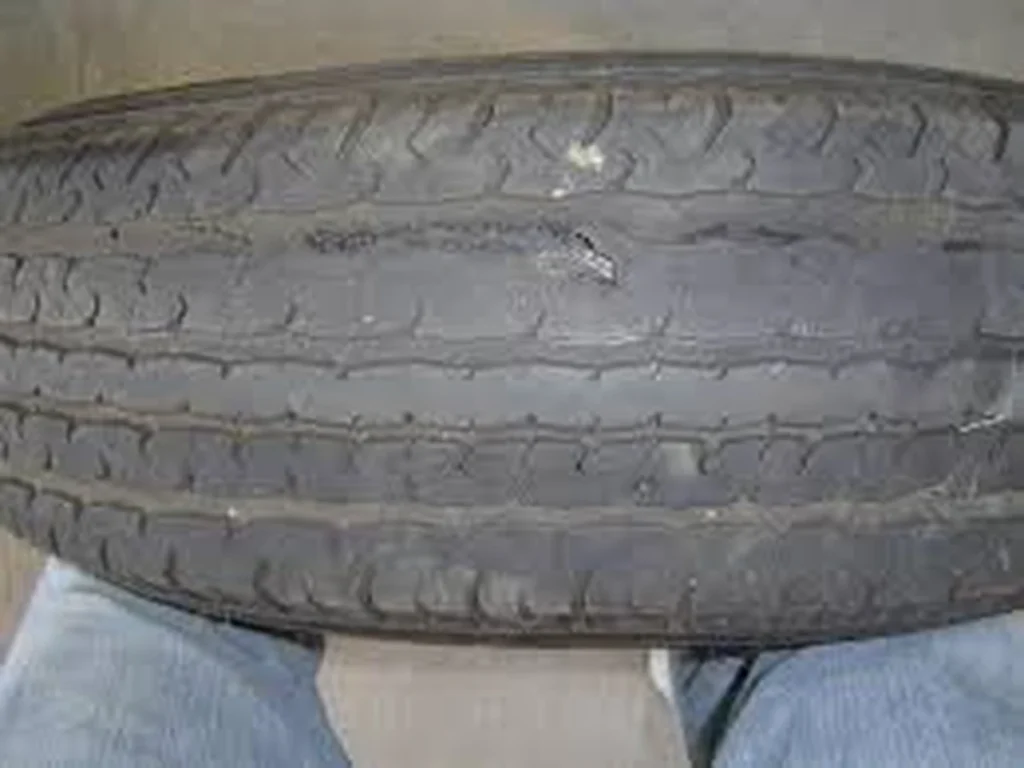
Rhythmic Thumping Noise
Serious tire damage.
Possible causes:
Internal separation
Broken belt
Deformed tread section
If you can “count” the thumps, avoid highway driving.
Roaring Noise That Changes While Turning
Quick test — tire or wheel bearing?
Drive steadily and gently steer left/right:
Louder turning left → right bearing
Louder turning right → left bearing
No change → tire wear pattern

Clicking or Ticking Noise
Often simple:
Stone stuck in tread
Nail head contacting pavement
Inspect immediately.
Steering & Handling Changes
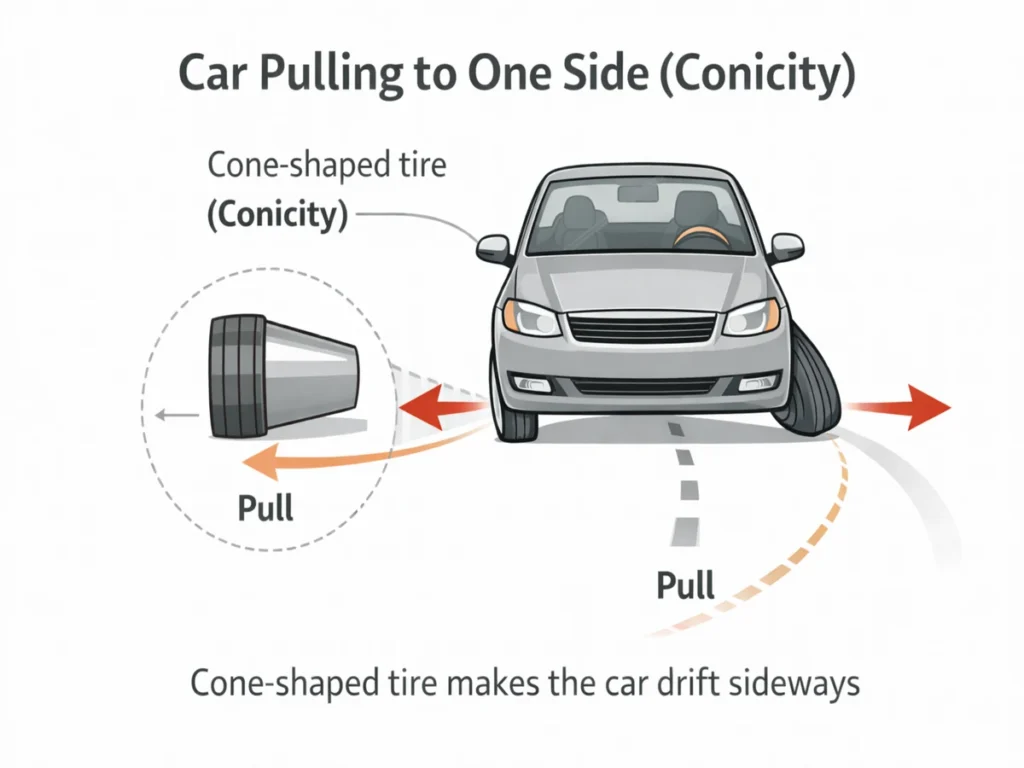
Car Pulls to One Side While Driving Straight, Steering behaviour is another important clue in a proper tire vibration diagnosis.
Possible tire causes:
Unequal pressure
Internal belt shift
Tire conicity
Steering Wheel Vibrates but Seat Does Not
Front tire issue.
Vehicle Wanders on Highway
Usually worn tread blocks or uneven wear.
Steering Feels Loose
Often underinflation or sidewall weakening.
Where You Feel the Vibration Matters
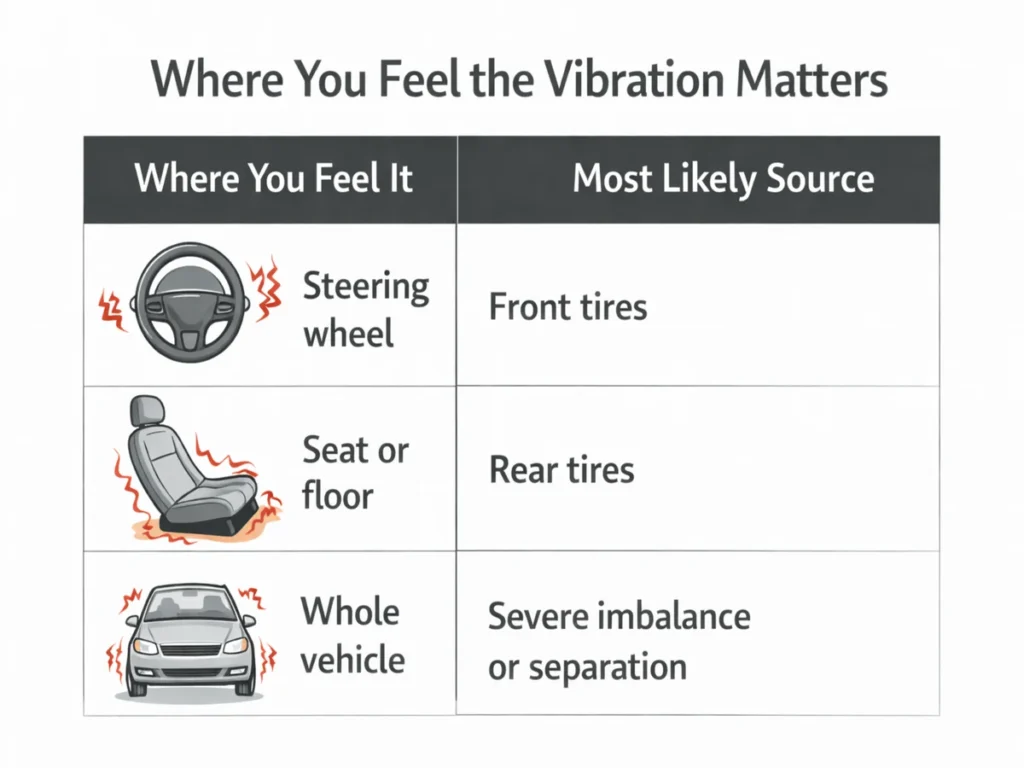
| Where You Feel It | Most Likely Source |
|---|---|
| Steering wheel | Front tires |
| Seat or floor | Rear tires |
| Whole vehicle | Severe imbalance or separation |
Why Tire Vibrations Happen (Simple Physics)
A tire should rotate as a perfect circle.
When weight distribution changes, one section becomes heavier and the tire hops once per rotation.
At highway speed a tire spins around 800–900 times per minute.
Even a small imbalance becomes a continuous shake.
That’s why vibration appears only at certain speeds.
When Vibration Becomes Dangerous
Typical progression:
mild vibration → uneven wear
moderate vibration → internal damage
strong vibration → structural separation
severe vibration → blowout risk
Many drivers replace suspension parts unnecessarily when the real cause is a tire.
At-Home Tire Vibration Diagnosis Tests
Speed Test
Drive at 40 → 55 → 70 mph
Note when vibration starts and stops.
Lane Change Sound Test
On an empty road, gently sway left/right:
Noise changes → bearing
Noise same → tire
Front Tire Swap Test
Swap front tires side-to-side.
If pull direction changes → tire confirmed.
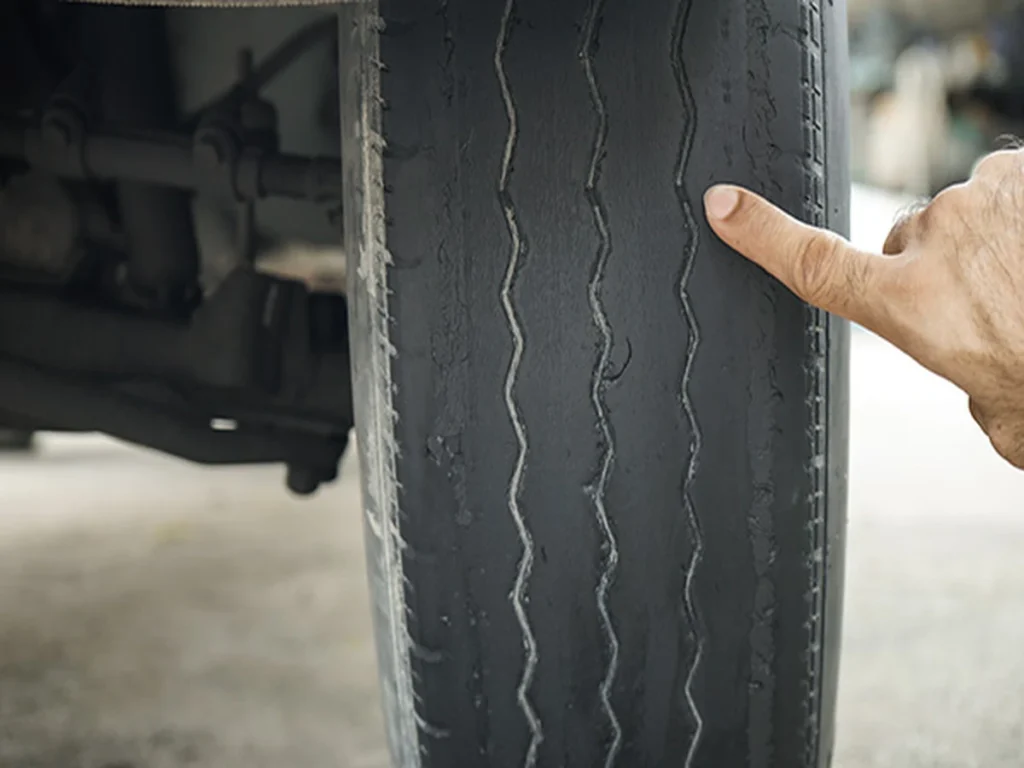
Tread Touch Test
Run hand lightly across tread:
Smooth one way, rough the other = uneven wear.
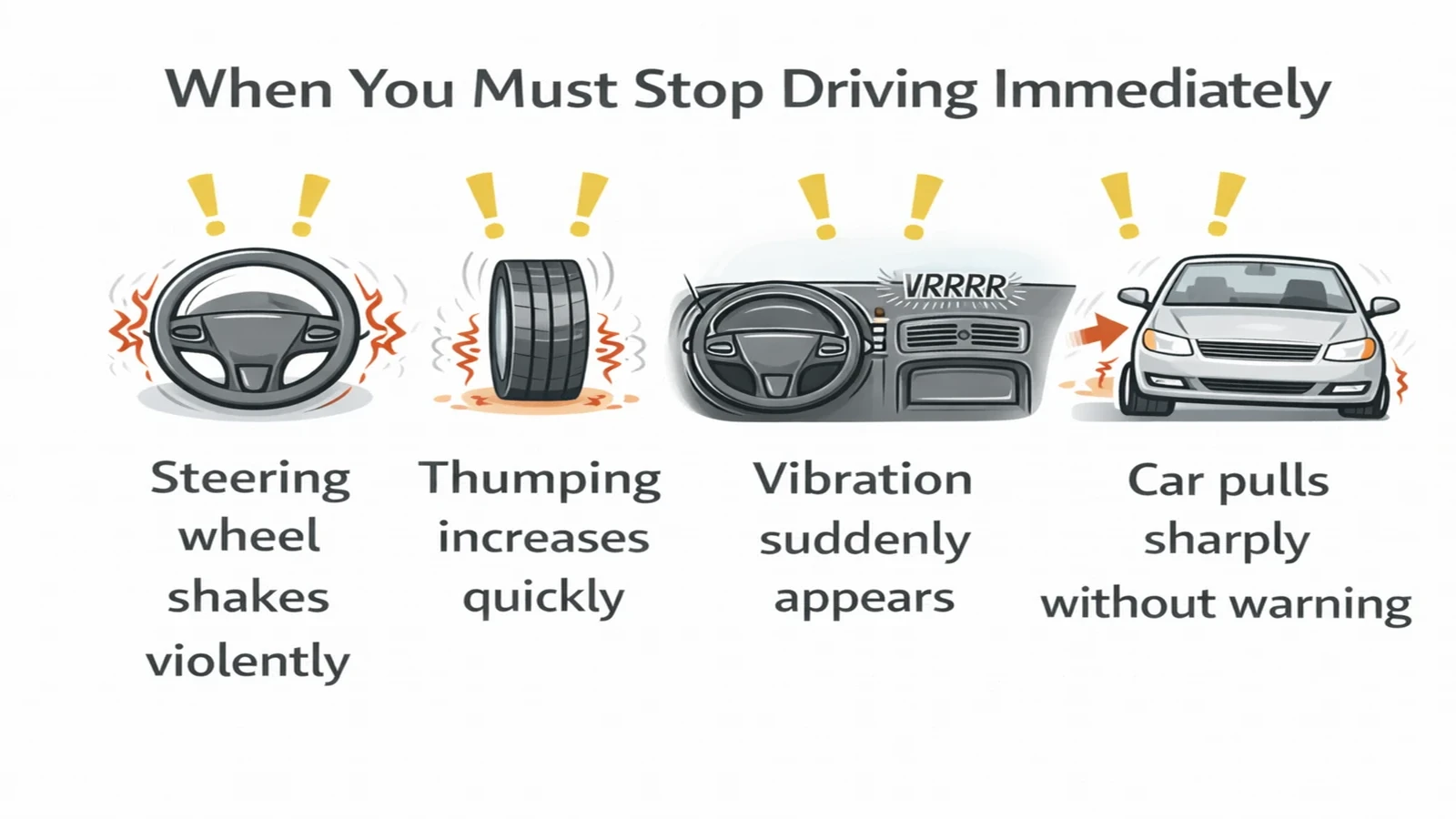
When You Must Stop Driving Immediately
Stop driving if:
Steering wheel shakes violently
Thumping increases quickly
Vibration suddenly appears
Car pulls sharply without warning
Tire feels square while driving
Vibration worsens within one trip

How Mechanics Diagnose Tire Vibrations (Professional Inspection)
Technicians do not guess — they measure:
Road force balancing
Radial runout
Belt separation
Tire conicity
Professional Tip:
Technicians usually identify tire failure during a test drive before seeing visible damage.
Speed, sound, and steering behavior reveal the problem first.
Key Takeaway
Noise and vibration are not comfort issues — they are early structural warnings.
Most dangerous tire failures announce themselves long before they happen.
Recognizing the pattern early prevents both tire damage and accidents.
Tire Vibration Diagnosis – FAQs
Why does my car shake at 60 mph but not at lower speeds?
This is usually caused by tire imbalance. At certain speeds the tire’s rotation frequency matches the suspension movement, amplifying vibration.
Is tire vibration dangerous?
Yes — mild vibration is usually imbalance, but increasing vibration often means internal tire damage. Strong or sudden vibration can lead to tire failure.
Can I keep driving with a humming tire noise?
You can drive short distances carefully, but the tire likely has uneven wear. Long trips or highway driving can worsen the damage.
How do I know if the noise is a tire or wheel bearing?
If the sound changes when turning slightly left or right, it is likely a wheel bearing.
If the sound stays constant, the tire is usually the cause.
Why does my car pull to one side suddenly?
A sudden pull often indicates tire internal separation or pressure imbalance and should be inspected immediately.
What does a thumping tire sound mean?
A rhythmic thump usually means belt separation or severe deformation. Avoid highway speeds and inspect the tire immediately.
