

Bald Tires: How Dangerous Are They and When You Must Stop Driving
Driving on bald tires is only temporarily manageable at low speed on dry roads. In rain or at highway speed, control can disappear within seconds because the tire cannot disperse water. You should only drive slowly to the nearest repair shop and replace the tire immediately.

You don’t usually notice tires wearing out.
They fade slowly — until one day the grooves disappear and the rubber looks smooth.That is a bald tire.
Most drivers don’t ask what it is. They ask a much more urgent question:
Can I still drive like this today?
This guide answers that clearly using real safety guidance from transportation authorities and tire manufacturers — not myths or scare tactics.
What Is a Bald Tire?
A bald tire has worn down so much that its grooves no longer channel water away from the road surface.
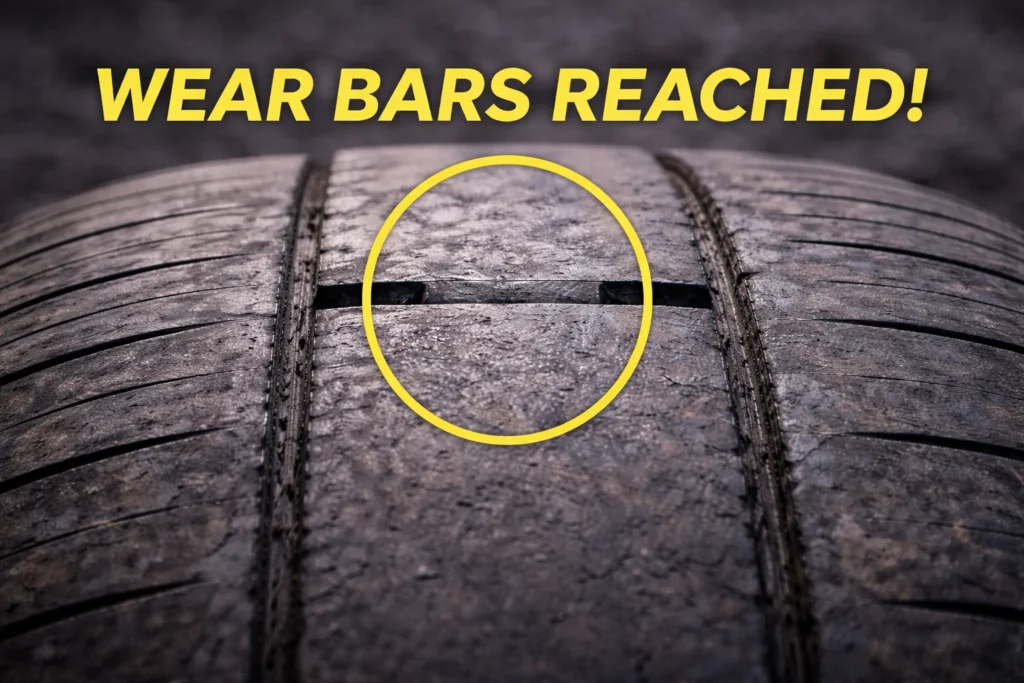
In most countries, the legal minimum tread depth is 1.6 mm (2/32 inch). At this point the tire reaches the wear bars — small raised indicators built into the tread.
According to the U.S. National Highway Traffic Safety Administration (NHTSA), tires at or near this level lose a large portion of wet‑road traction because the grooves can no longer disperse water effectively.
A tire does not suddenly become bald overnight.
It gradually transitions from usable → risky → dangerous.
The Real Question: Can You Still Drive on Bald Tires?
Instead of a simple yes or no, risk depends on speed, distance, and road conditions.
Practical decision guide
| Situation | Safe to drive? |
|---|---|
| Dry road under 40 km/h | Short distance only |
| City driving | Temporary caution |
| Highway driving | Unsafe |
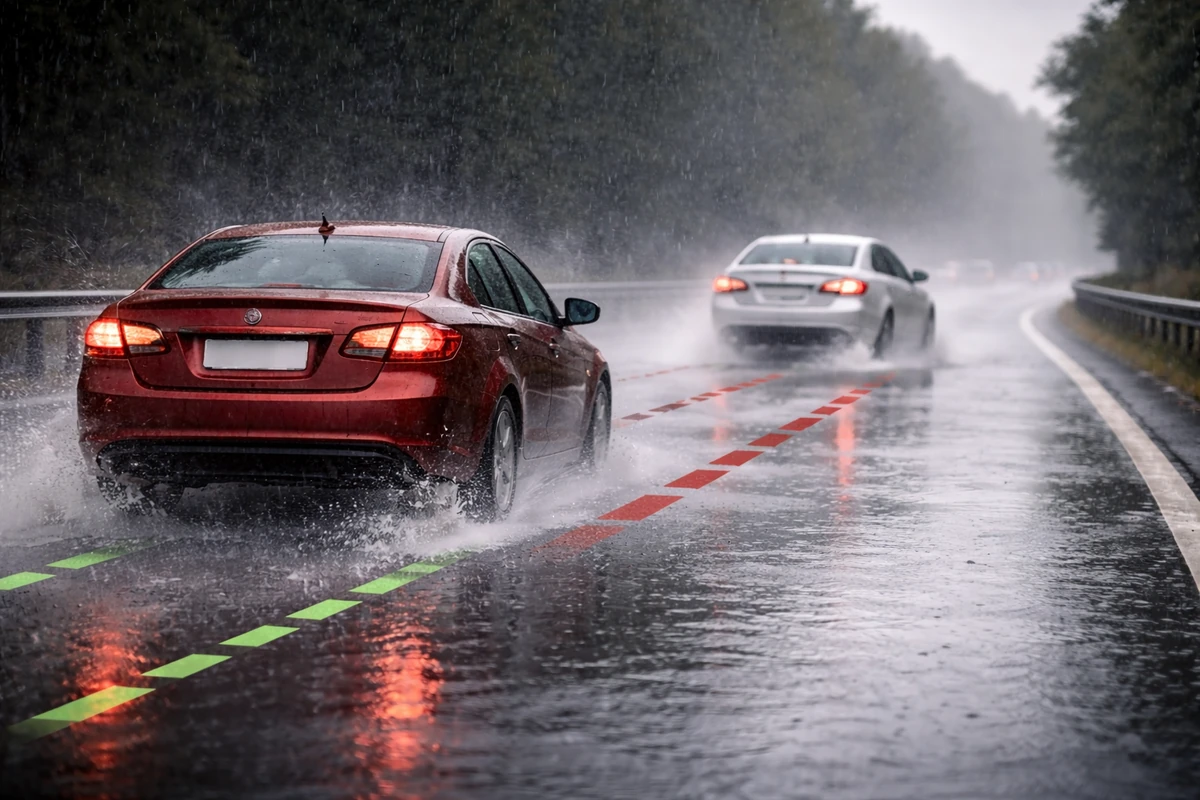
| Rain | Dangerous immediately |
| Long trip | Do not drive |
| Driving to repair shop nearby | Acceptable slowly |
The tire still rolls — but control disappears first.
That difference causes most accidents.
Why Bald Tires Become Dangerous
1. Water cannot escape
Tire grooves act like drainage channels.
When they disappear, water builds under the rubber.
The tire lifts slightly off the road — this is hydroplaning.

NHTSA testing shows worn tires dramatically increase loss of control in wet conditions because the contact patch shrinks.
2. Braking distance increases fast
Your brakes stop the wheels.
Your tires stop the car.
Consumer safety testing repeatedly shows worn tires require significantly more stopping distance on wet pavement compared with new tires.

Drivers often blame brakes after a close call. In reality, the tires failed first.
3. Steering response disappears
Smooth rubber slides before it grips.
You turn the wheel — the vehicle continues straight for a moment. That delay causes many intersection crashes.
4. Heat builds quickly
Rubber flexes while rolling.
Less tread means less structure and more heat buildup.
Heat weakens internal belts and increases blowout risk, especially at highway speed.
Speed Changes Everything
Many drivers test bald tires in parking lots and think they are fine.
At low speed, they often are.
Risk rises exponentially with speed.
| Speed | Behavior |
|---|---|
| 30 km/h | Mostly controllable |
| 50 km/h | Noticeable slipping |
| 70 km/h | High wet instability |
| 90+ km/h | Loss of control likely |

This explains why most worn‑tire crashes occur during rain on highways, not in neighborhoods.
Partial Bald Tires — More Common Than Fully Bald
Most drivers don’t have completely smooth tires.
They have uneven wear.

Inner edge bald
Often caused by wheel alignment issues. Extremely dangerous in rain because water escapes during cornering on that edge.
Outer edge bald
Usually aggressive cornering or underinflation. Emergency braking becomes unstable.
Center bald
Overinflation wears the middle first. Straight‑line grip drops sharply on wet roads.
Only one tire bald
Creates uneven traction across the vehicle.
During braking the car may pull to one side — especially dangerous in emergency stops.
Even if three tires look fine, one bald tire can control the outcome of a sudden maneuver.
Real‑World Situations Drivers Face
Driving home from work
Short slow travel on dry streets is usually manageable. Increase following distance and avoid sudden braking.
Sudden rainstorm
Stop driving if possible. Bald tires lose control rapidly once water builds on the surface.
Going to a nearby tire shop
Drive slowly, avoid highways, and leave large gaps ahead. This is the only reasonable trip with bald tires.
Night driving
Risk increases because you cannot see standing water early. Reduce speed drastically or avoid driving.
Long highway trip planned
Cancel it. Bald tires fail most often under sustained heat and speed.
Why Hydroplaning Happens Faster Than Expected
At speed, a tire must push away liters of water every second.
Deep grooves move the water aside.
Shallow grooves trap it.
Once water pressure equals vehicle weight at the contact patch, the tire rides on water instead of asphalt.
Steering and braking inputs then do almost nothing.
That moment surprises drivers because the car feels normal seconds earlier.
Legal and Insurance Consequences
Traffic regulations in many countries consider tires below minimum tread depth unsafe.
After collisions, investigators often inspect tire condition.
If the tire shows excessive wear, liability can shift toward the driver regardless of who initiated braking.
This does not happen in every case — but it happens often enough that safety agencies warn against delaying replacement.
How to Recognise a Bald Tire Quickly
You don’t need tools every time.
Look for these signs:
wear bars flush with tread
shiny rubber surface
grooves nearly invisible
frequent traction control activation in rain
sudden increase in stopping distance
If you see fabric cords, stop driving immediately.
How Long Can a Bald Tire Last?
This depends on driving style — not distance.
A tire can roll hundreds of kilometers slowly on dry roads.
Or fail within minutes on a hot highway.
Because failure depends on heat and water, predicting lifespan is unreliable.
Treat a bald tire as already failed — just not yet at the worst moment.
The Smart Replacement Rule
Instead of waiting for total baldness:
replace before long trips
replace before rainy season
replace immediately if uneven wear exposes smooth patches
Drivers rarely regret early replacement.
They often regret late replacement.

Key Takeaway
A bald tire does not always cause instant loss of control.
It removes your safety margin.
You can still move the vehicle — but you cannot depend on it when you need it most.
Drive slowly only to reach a repair location, then replace it.
Waiting for failure turns a predictable maintenance task into an unpredictable emergency.
